Author name: Chinnagounder Thiruvenkatam

Chinnagounder Thiruvenkatam is the Founder and Chief Editor of CareerEduTech - India's guide to polytechnic admission, POLYCET, JEECUP, BTEUP and diploma education. A 25-year CRPF veteran and full-time education publisher since 2016.

CareerEduTech Portal – a resource hub for students and professionals interested in Polytechnic education and technical careers across India and abroad.

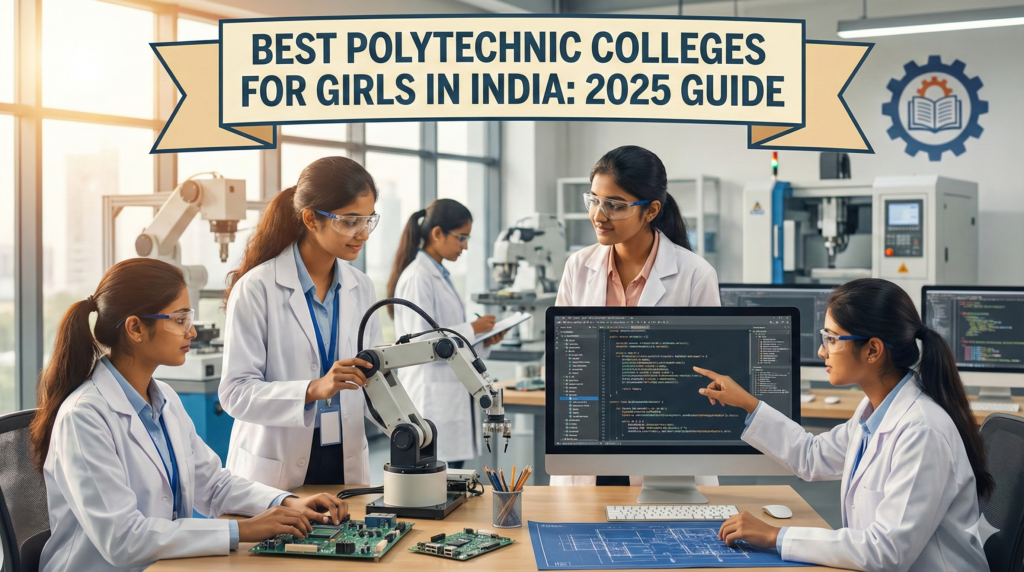
What are the best polytechnic colleges for girls in India?

As someone who has spent over 15 years navigating the halls of technical education and advising thousands of students, I have seen the polytechnic landscape in India shift dramatically. For girls today, the choice isn’t just about a degree; it is about finding an ecosystem that bridges the gap between a 10th-grade certificate and a […]
CareerEduTech Portal – a resource hub for students and professionals interested in Polytechnic education and technical careers across India and abroad.

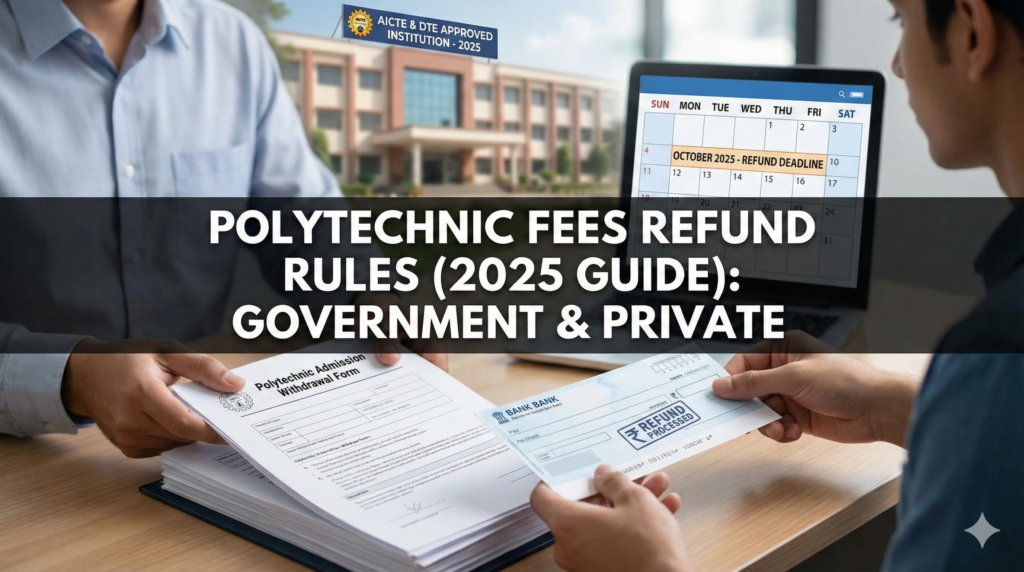
What are the AICTE Fee Refund Rules for 2025?

AICTE mandates a near-total refund of the tuition fee, minus a processing charge of ₹1,000, provided you withdraw before the session starts. In my experience, colleges rarely volunteer this information. For the 2025-26 academic cycle, the All India Council for Technical Education (AICTE) has reinforced that any student withdrawing before the cutoff must receive their

Internships vs. Apprenticeships: Which One Actually Leads to a Government Job in 2026?

Key Takeaways Apprenticeships (especially NATS/NAPS) are the “Golden Ticket” for PSU and Government Junior Engineer (JE) roles. Internships are better suited for private-sector R&D, design, and software roles. For 2026 Government aspirants, a completed apprenticeship often counts as one year of mandatory work experience. Choosing the wrong path can disqualify you from specific “Experienced Category”

CareerEduTech Portal – a resource hub for students and professionals interested in Polytechnic education and technical careers across India and abroad.

No B.Tech? No Problem. Your Roadmap to a Career in Robotics

There is a massive, gatekeeping myth floating around the tech industry. It suggests that if you want to work with robots—those articulated arms welding cars, the automated guided vehicles (AGVs) in warehouses, or even agricultural drones—you need a four-year B.Tech degree from a top-tier university. I’m here to tell you that is dead wrong. I’ve

Scroll to Top